How fast can disaster relief sanitation be set up in Boca Raton?
Speed depends on road access and how many units the response needs. For a single-family block or a small shelter, emergency porta potty rental crews can usually get a standard unit or two on site the same day, provided the street is passable and the delivery truck has clear approach. Larger deployments, like a Red Cross shelter or a county staging area, take more lead time because portable restroom rental volumes scale with headcount, not just square footage. A standard unit runs about 44 by 48 inches on the ground and stands roughly 92 inches tall, so even tight parking lots in Boca Raton can usually fit several units without blocking fire lanes. For sites without running water, pairing toilets with a handwashing station rental matters more during a disaster than on a normal job, because boil-water notices and outages often hit at the same time as the storm. Sanitation crews should also check porta potty placement guide basics before trucks arrive: stable, level ground, and a path wide enough for the delivery vehicle. If the shelter is a hard-sided building rather than a tent city, a restroom trailer rental can be faster to service than a bank of individual units once flushable comfort matters for elderly or medically fragile evacuees.
What sanitation do shelters and staging areas actually need?
A shelter needs toilets sized to headcount, handwashing sized to meal service, and a plan for gray water and holding tanks if the sewer connection is compromised. OSHA 1926.51(c) sets the baseline ratio used across the industry: one toilet facility for 20 workers or fewer, then one seat and one urinal per 40 workers as the count climbs past that, and per 50 once a site reaches 200 or more. Shelters aren't construction sites, but responders use the same math to avoid long lines. Pair that with 29 CFR 1910.141(d)2, which requires soap and towels or a hand-drying device at washing stations, not just sanitizer, since hand sanitizer alone doesn't meet that standard. For sites serving people with mobility limits, at least one accessible unit belongs in the mix under ADA Standards 213.2, which requires 5 percent of clustered single-user toilets to be accessible, never fewer than one. An ada accessible porta potty has a 60 inch turning circle inside per ADA Standards 304.3.1 and a 32 inch clear door opening under ADA Standards 404.2.3, both of which matter for wheelchairs and walkers navigating a crowded shelter floor. If a septic system backed up during flooding, emergency septic service and holding tank rental can bridge the gap until the tank or the drain field gets repaired. Local emergency managers coordinating relief in Boca Raton should also loop in construction site services if debris crews and sanitation crews are sharing the same staging lot.
Where should disaster relief units go and how do they get serviced?
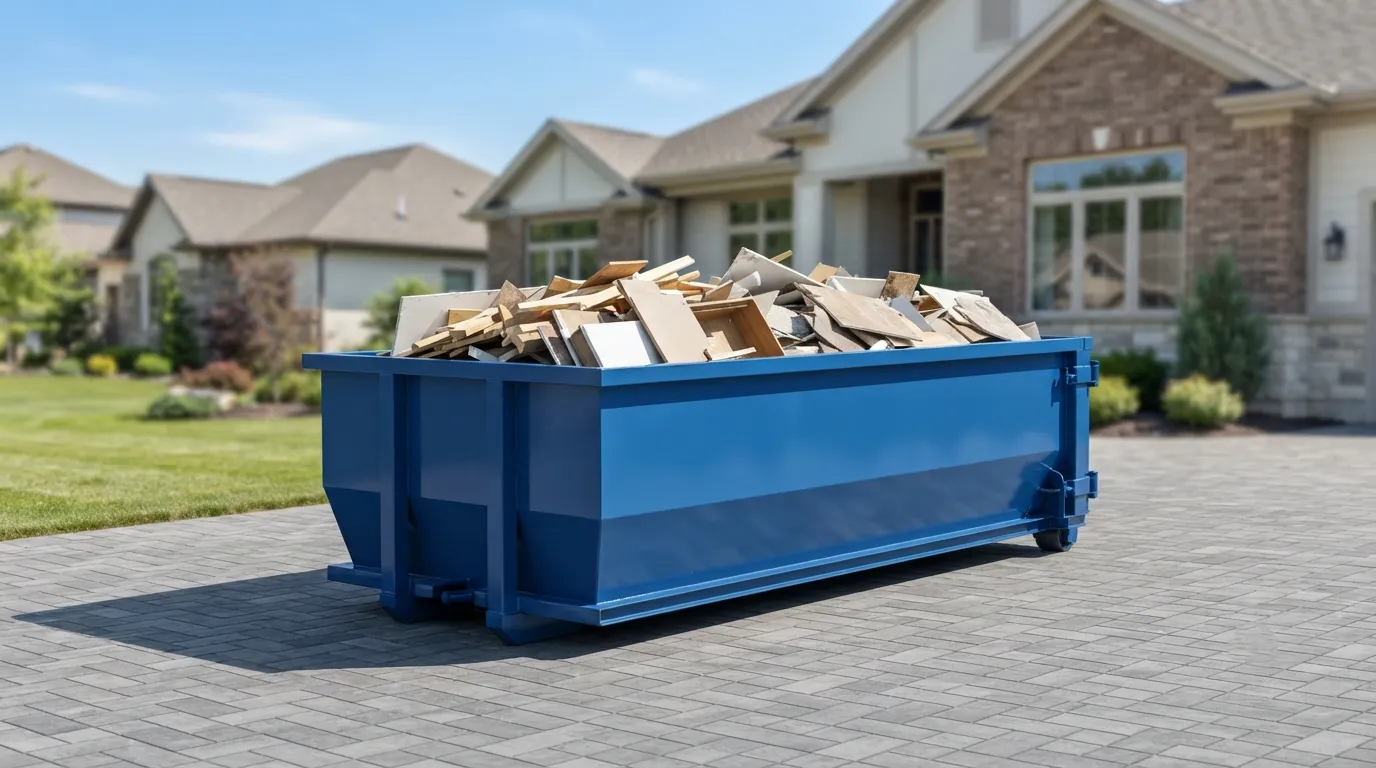
Units belong on stable ground near the shelter entrance, not tucked behind debris piles where trucks can't reach them for pump-outs. ADA Standards 302.1 calls for stable, firm, slip-resistant surfaces, which matters even more after a storm has left mud and standing water across parking areas. A roll-off delivery, if debris removal is running alongside sanitation, needs about 60 feet of straight clearance behind the truck, so staging that keeps roll-off dumpster rental drop points separate from restroom rows prevents a logistics jam. Baseline servicing under ANSI/PSAI Z4.3 is one visit a week for up to 10 users over a 40-hour week, but disaster response almost always needs tighter intervals since shelter populations run around the clock, not a single shift. Crews tracking how often are porta potties cleaned during blue-sky operations should expect that cadence to shorten during relief work. Boca Raton sits close enough to draw mutual-aid support from nearby crews too: Deerfield Beach is 6.1 miles south and Coconut Creek is 11.5 miles southwest, both close enough that units and trucks can shift between staging areas the same day if one site gets overwhelmed. For sites without grid power, a light tower rental or temporary power pole keeps the restroom row visible and safe after dark, which matters when overnight shelter use spikes.
Frequently asked questions
How many toilets does a shelter need per evacuee?
There's no shelter-specific number in OSHA rules, so responders lean on OSHA 1926.51(c): one toilet for 20 people or fewer, then one seat and one urinal per 40 as the count grows. Use how many porta potties do i need as a planning start, then add capacity for slower cleaning during a disaster.
Can units be delivered if streets are still flooded or blocked?
Only if the delivery truck has a clear approach; standing water or debris blocking the route delays service. Crews prioritize accessible streets first, then adjust routing as roads clear. Call ahead with a request a quote once access opens.
Do shelters need accessible units even during an emergency?
Yes. ADA Standards 213.2 still applies: at least 5 percent of clustered units, never fewer than one, must be accessible. See ada restroom requirements for the full spec list shelters should check.
What does emergency sanitation cost compared to a standard rental?
Pricing follows the same bands as routine rentals; a standard unit runs about $100 to $350 a day depending on demand and delivery distance. Check porta potty rental cost for the full breakdown before budgeting a shelter response.
Is handwashing required at a disaster shelter?
Yes, functionally, even without a specific shelter code. 29 CFR 1910.141(d)(2) requires soap and towels or a hand-drying device, not sanitizer alone. Pair that requirement with portable sink rental units placed near meal service and toilet rows.
Next step
Get a delivery date
Tell us the address, the dates and the headcount. We size the order and confirm the route.