
How Many Restrooms Does a Race Need?
Runner counts drive the math more than distance does. A 5K with 500 runners moves through fast, so units cluster at start and finish. A marathon with runners spread over 4 or 5 hours needs restrooms at mile markers, water stops and the finish chute, all running at once. OSHA 1926.51(c) sets construction-site toilet ratios by headcount, and race organizers in Boca Raton use the same logic: more bodies over more hours means more fixtures, spaced along the route instead of bunched in one spot.
Standard units rent in the standard porta potty rental line and work for most aid stations, while finish areas with sponsors and VIP tents often step up to a deluxe flushable porta potty or a full restroom trailer rental with sinks. Every race with public access needs at least one accessible unit per cluster under ADA Standards 213.2, so if you are staging six units at a water stop, one has to be accessible. Check the ADA accessible porta potty page for door and turning-space specs before you finalize a site plan.
Races that route through residential streets or business corridors in Boca Raton also need a plan for temporary fence rental or crowd control barrier rental near dense restroom clusters, since a line of ten units draws foot traffic that needs a lane. Pair that with a light tower rental for pre-dawn starts.
What Does Race Restroom Rental Cost?
Race pricing depends on unit count, duration and whether you need same-day pickup. A standard unit runs an event rate; a large field with 2,000 or more runners often needs 20 to 40 units spread across the course, which changes the math fast. Get exact figures from Porta Potty Rental Cost in Boca Raton, FL before you budget, and compare day versus weekend rates on the Porta Potty Rental Per Day in Boca Raton, FL page.
| unit | duration | typical price |
|---|---|---|
| standard | event | $400 |
| standard | weekend | $250 |
| deluxe | day | $300 |
| trailer | event | $3,500 |
A standard unit at event rate typically runs around $400, but a multi-day setup with delivery, service and pickup spread over a weekend often lands near $250 per unit at the weekend rate instead. Delivery fees for race layouts with several drop points can run higher than a single-site job, since crews are moving trucks between mile markers instead of one lot. If your race also needs handwashing per 29 CFR 1910.141(d)(2), soap and towels are required, not sanitizer alone, so budget for handwashing station rental or a portable sink rental at food and medical tents.
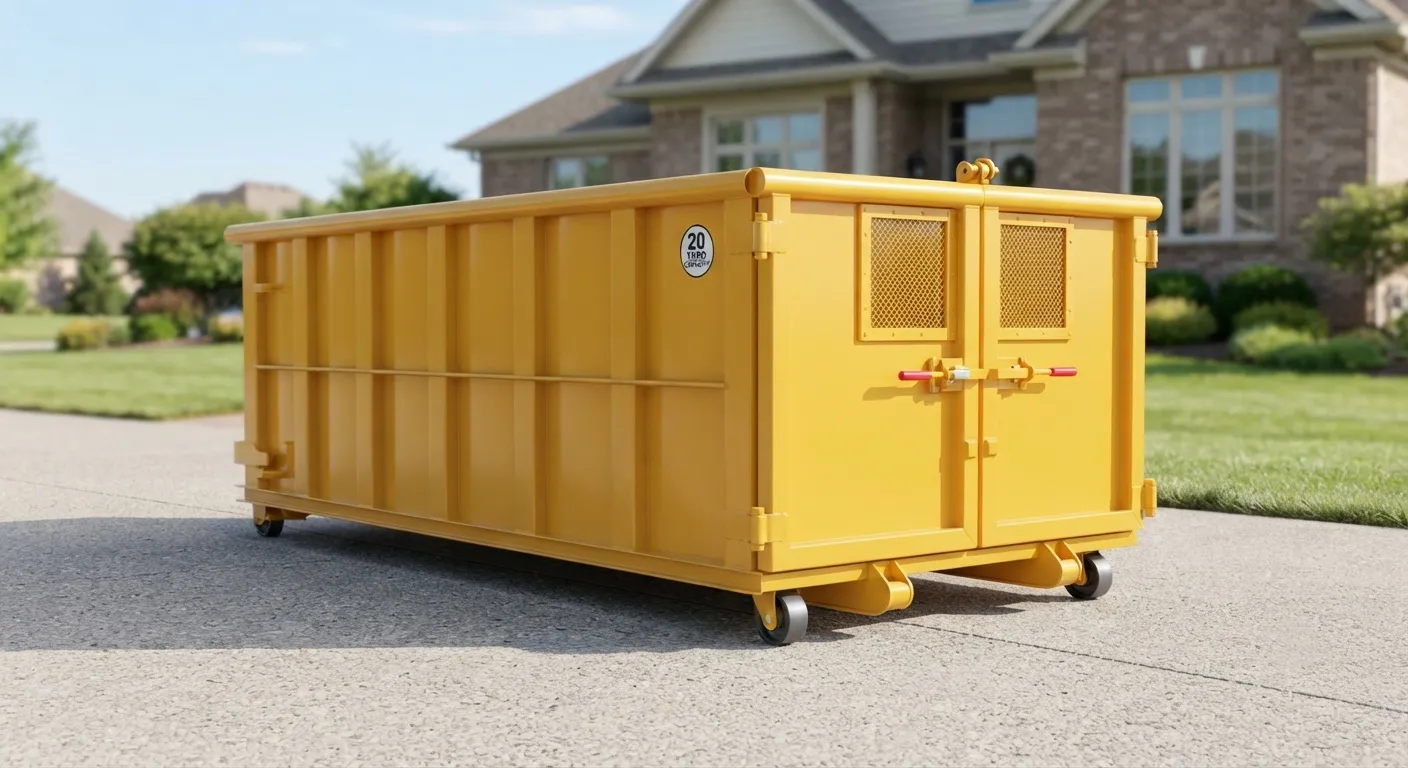
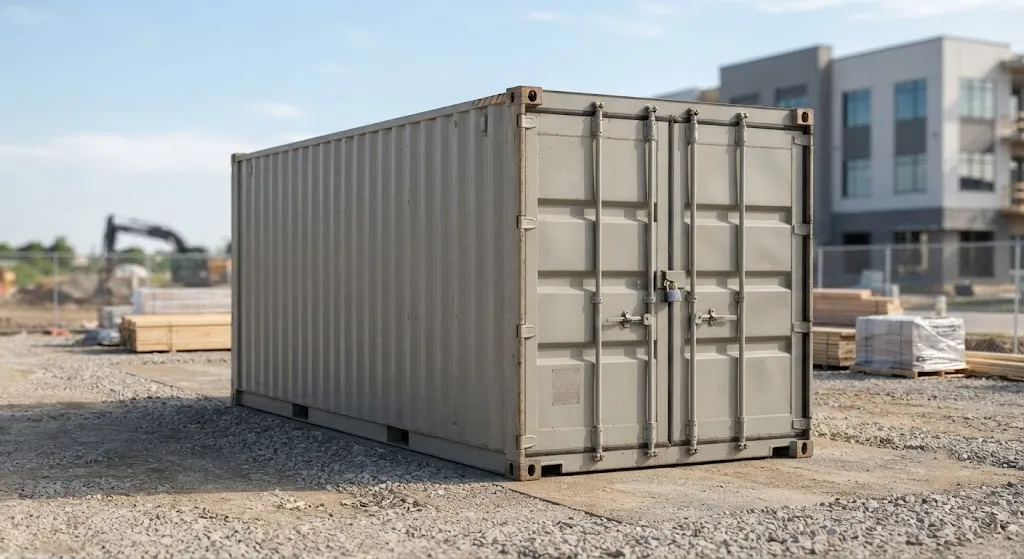
Races drawing runners from Deerfield Beach, 6.1 miles south, or Coconut Creek, 11.5 miles southwest, often need parking-lot staging areas too, which is where a storage container rental or mobile office trailer rental comes in handy for gear check and medical supplies.
How Do You Power Lighting and Timing Equipment on Race Day?
Most races need power for timing mats, PA systems and pre-dawn light towers, and that means a temporary power pole staged near the start line. Knowing how to brace a temporary power pole matters just as much as running the cord: it needs a stable base set on firm, level ground, per ADA Standards 302.1's stability requirement for surfaces workers and equipment sit on, plus guy wires or a ballasted base rated for wind load, since a course-side pole standing unbraced overnight is a hazard for early volunteers setting up in the dark. Crews typically set the pole plumb, anchor it with rated guying hardware at two or three points running out at an angle to fixed ground stakes, and route cords away from walkways so runners and volunteers do not trip over them.
Ground-fault protection matters here too. OSHA 1926.404(b)(1)(ii) requires GFCI protection on temporary power circuits, which applies directly to the extension cords and distribution boxes racing crews run from a power pole to timing tables and PA gear. If your race also needs waste pickup after the event, a same-day roll-off dumpster rental or the 10 yard dumpster rental size handles cup litter and course debris fast. For races with vendor tents needing grease disposal, see grease trap pumping.
Boca Raton races that draw crowds from Parkland, 16.9 miles west, or Tamarac, 21.3 miles southwest, should also plan restroom placement early using the porta potty placement guide, since course closures limit where trucks can service units mid-race.
Frequently asked questions
How far apart should restrooms be on a marathon course?
Most race organizers space units every 1 to 2 miles along a marathon course, with heavier clusters at aid stations and the finish. Boca Raton courses with multiple loops can reuse the same cluster points, cutting total unit count while still meeting demand at peak hours.
Do we need accessible restrooms for a race?
Yes. ADA Standards 213.2 requires at least one accessible unit per cluster of standard units, never fewer than one. If your race has restroom clusters at five different mile markers, each cluster needs its own accessible unit, not just one for the whole course.
Can restrooms be delivered and picked up on the same day?
Yes, for single-day races. Crews typically drop units the evening before or early morning of the race, then pick up within hours of the finish line closing. Multi-day festivals or expos usually rent by the weekend instead, which changes the rate structure.
What is the lead time for booking race restrooms?
Book as early as possible, especially for races over 1,000 runners needing 20 or more units. Large events compete for the same inventory as construction and festival clients, so early requests get first pick on unit count and placement.
Do timing tables and PA systems need special power?
Yes. Temporary circuits feeding timing equipment need GFCI protection under OSHA 1926.404(b)(1)(ii). A braced power pole with properly grounded distribution keeps timing systems running without nuisance trips during the race.
Next step
Get a delivery date
Tell us the address, the dates and the headcount. We size the order and confirm the route.